Engines for Sale South Africa Offering Used and Replacement Engines
Engines for Sale South Africa Offering Used and Replacement Engines
Blog Article
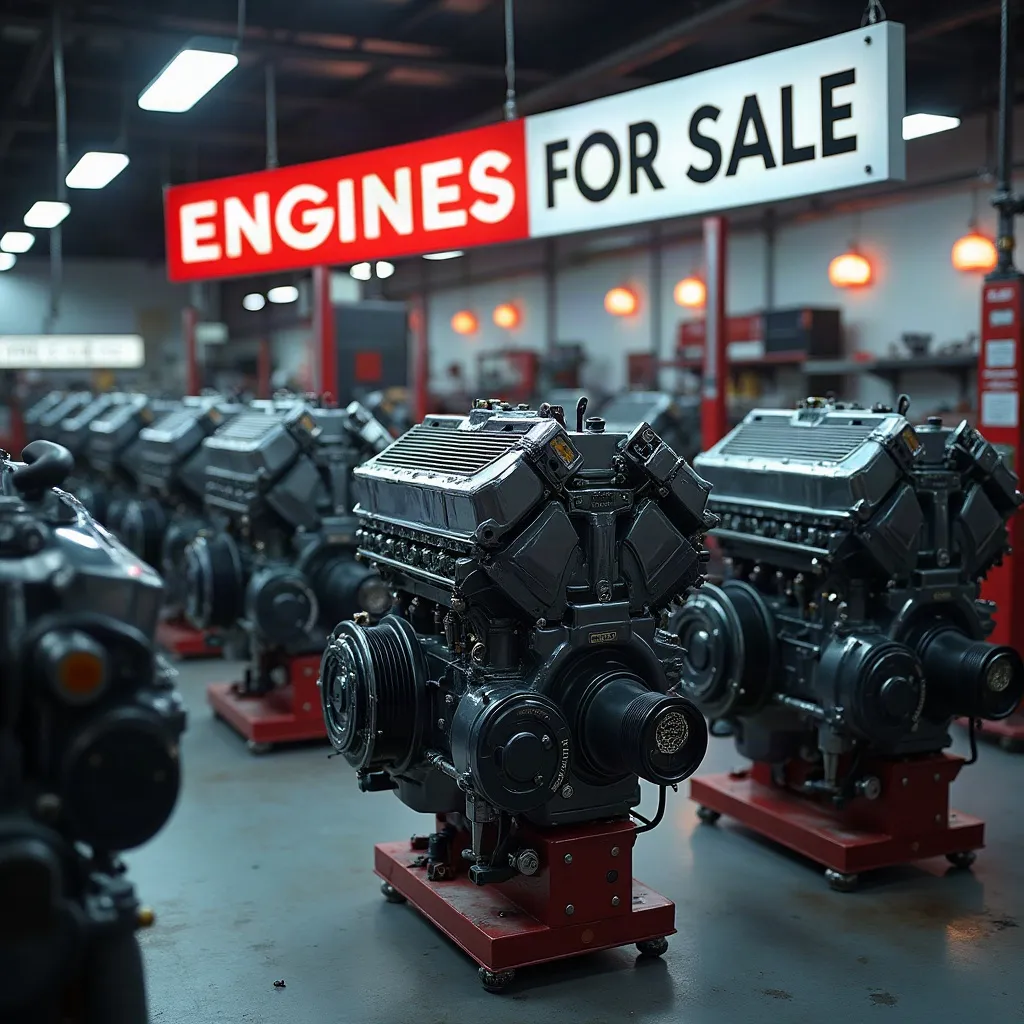
Engines for Sale: Locate Top-Tier Parts for Your Automobile
When looking for engines for sale, car purchasers must prioritize quality and fit. Various internet platforms offer wide ranges of options, but selective shoppers need to carefully evaluate all options. Factors such as engine type, condition, and seller reputation serve as vital elements in the buying procedure. Given so many selections to consider, grasping the details of engine specifications and warranties becomes essential. What should shoppers reflect upon before making a commitment?
Determining Your Motor Type and Needs
How can one determine the right engine type and specifications for their particular requirements? First, recognizing the vehicle's make, model, and year is crucial, as these factors dictate compatibility. Next, an assessment of planned usage is important; for example, heavy towing or off-road driving may require a more robust engine. Fuel efficiency preferences also play a significant role, as different engine types, such as gasoline or diesel, offer diverse performance and economy.
Furthermore, grasping displacement, horsepower, and torque ratings can direct the choice, ensuring the engine satisfies performance requirements. Researching sector benchmarks and speaking to professionals can additionally elucidate options. Ultimately, financial factors, encompassing acquisition and setup expenses, must be factored in. By evaluating these aspects, one can create an informed decision that aligns with both their automotive needs and individual driving preferences.
Best Internet Marketplaces to Buy Engines
When searching for engines online, numerous well-known retailers and specialized component marketplaces provide a wide selection to satisfy diverse requirements. These platforms provide customers with access to both fresh and restored choices, catering to various budgets and preferences. Comprehending the advantages of each platform can assist in making an informed purchasing choice.
Leading Engine Suppliers Online
The search for superior engines has been greatly streamlined by the rise of online marketplaces. Among the most well-known retailers are eBay Motors and Car-Part.com, which offer a extensive selection of new and used engines from various manufacturers. These platforms deliver detailed listings, featuring compatibility information and customer reviews, guaranteeing buyers take informed decisions. Additionally, Amazon has joined the automotive sector, selling engines alongside parts and accessories, drawing a wider audience. RockAuto is another notable option, focusing in hard-to-find engines and parts. These online retailers not only enhance accessibility but also promote competitive pricing, allowing it easier for consumers to locate the right engine for their vehicle needs without the hassle of traditional shopping.
Exclusive Parts Venues
Many specialized parts marketplaces aim at engine buyers seeking rare or specialized parts. Sites such as eBay Motors and Car-Part.com have extensive inventories that often include rare engines and high-performance parts. Detailed listings with specifications and condition reports help users, enabling informed buying choices. Additionally, niche sites like Summit Racing and JEGS focus on high-performance engines and aftermarket components, appealing to enthusiasts and racers. These marketplaces frequently feature user reviews and ratings, boosting trustworthiness and allowing buyers to gauge seller reliability. Consumers using these specialty platforms can access a wider selection of engine options, ensuring they locate the ideal fit for their vehicle.
Determining Engine Quality: Key Factors to Think About
Assessing motor performance is vital for maintaining peak performance and long-term longevity in any vehicle. Key aspects should be evaluated during this evaluation process. First, the engine's history is vital; understanding whether it has been restored or has incurred any damage can shed light into its dependability. Second, mileage plays a significant role; reduced miles often indicates minimal deterioration, though it's not the sole indicator of quality.
Third, the condition of the engine components should be assessed, such as the block, pistons, and valves, as these parts are fundamental to engine operation. Additionally, examining maintenance records can reveal how well the engine has been maintained over time. Finally, the reputation of the manufacturer or seller should not be ignored, as reputable companies typically offer better quality control. Together, these factors contribute to an informed decision when choosing an engine.
Breaking Down Engine Specs: What You Ought to Know
Grasping engine features is critical for making thoughtful purchasing decisions. Key factors involve the type of engine, which influences performance and suitability, as well as displacement and power output, which directly relate to the vehicle's capabilities. Furthermore, fuel efficiency is significant in long-term cost considerations, making it essential to evaluate these aspects in detail.
Engine Type Weight
When determining an engine, the engine type is fundamental in determining performance, efficiency, and compatibility with specific vehicles. Different engine types, such as inline, V-type, and rotary, each offer unique characteristics that affect driving dynamics. Inline engines are often celebrated for their simplicity and compact design, while V-type engines typically generate more power and smoothness. Rotary engines, though less common, are known for their lightweight and high-revving nature. Comprehending these distinctions allows consumers to select wisely that correspond to their driving needs. Additionally, engine type influences fuel economy, emissions, and maintenance requirements, making it crucial for buyers to review these factors when searching for an engine that fits their vehicle specifications and performance expectations.
Total Displacement and Power Output
Displacement and engine power are fundamental components in engine specifications that have a direct effect on a vehicle's performance. Displacement, measured in liters or cubic centimeters, indicates the total volume of the engine's cylinders altogether. Typically, a bigger displacement permits increased air and fuel intake, resulting in greater power output. Power output, frequently expressed in horsepower or kilowatts, gauges the engine's capability to do work. It reflects how essential guide fast a vehicle can accelerate and maintain speed. Together, these metrics provide helpful insights into an engine's capabilities, aiding consumers in making educated decisions when choosing engine options. Understanding these specifications is crucial for evaluating potential performance, confirming that the chosen engine fulfills the driver’s needs and expectations.
Gas Efficiency Aspects
While power and performance often command attention in engine debates, fuel efficiency plays a important function in the overall value of an engine. Purchasers more often choose engines that offer better MPG performance, as these yield lower operating costs and lessened environmental effects. Variables affecting fuel efficiency include engine design, weight, and the type of fuel used. Turbocharged engines, for instance, can deliver impressive power while sustaining good fuel economy. Additionally, technological progress, such as fuel injection systems and hybrid configurations, enhance efficiency. Buyers should review not only the engine's power output but also how it corresponds with their fuel efficiency goals, ensuring a balanced choice that fits both performance needs and budget constraints.
Acquiring Second-hand Engines: Key Tips
Acquiring a used engine can be an overwhelming task, especially for those unclear with the complexities involved. It is critical to undertake thorough research before making a decision. Buyers should start by finding established sellers, whether through online platforms or local salvage yards. Examining testimonials and reviews can provide valuable insights into the seller's reliability.
Next, obtaining the engine’s history is vital. This includes mileage, previous repairs, and any listed defects. A physical inspection can uncover signs of wear, such as leakages or rust, and it is smart to perform a compression test to assess the engine's condition. Additionally, checking compatibility with the vehicle model provides a more straightforward installation process.
In the end, buyers should ready themselves to haggle over the price, taking into account the engine's condition and market value. By following these tips, buyers can make informed choices and boost their chances of a successful deal.
Warranty and Return Policies: What Should You Know?
Acquiring a used engine requires comprehending warranty coverage and return options. A comprehensive warranty plan often reflects the seller's confidence in the engine's dependability. Purchasers should examine the warranty terms thoroughly, observing the duration and protection specifics, such as parts and labor. Certain warranties may cover solely particular problems, while others offer broader protection.
Return policies are also vital. Buyers must establish if returns are accepted, the duration for returns, and any restock charges. Typically, a business may require the engine to be in original condition for a refund to be valid.
It is recommended for buyers to record the engine's condition upon purchase, as this can facilitate any warranty claims or refunds if problems occur. Ultimately, understanding these policies can protect the buyer's investment and offer mental ease in the buying process.
Engine Care: Advice for Long-Term Performance
Proper care is necessary for prolonging the lifespan of any power unit. Regular oil changes are important, as fresh oil minimizes friction and keeps components properly oiled. It is advised to check the oil level monthly and replace it in accordance with the producer's guidelines. In addition, observing coolant levels helps prevent overheating, while ensuring that belts and hoses are in good shape can prevent expensive repairs.
Air filters need to be inspected regularly; a clean filter promotes efficient air intake, boosting engine performance. Tire care, including proper inflation and rotation, also contributes to overall vehicle health.
To finish, maintaining a regular maintenance schedule and addressing any alert indicators promptly can avoid minor problems from intensifying. By implementing these strategies, vehicle owners can ensure their engines run efficiently and extend their lifespan substantially.
Often Posed Inquiries
How Can I Confirm the Vendor's Standing Before Buying an Engine?
To substantiate a seller's reputation, one needs to review customer feedback, compare scores from trustworthy platforms, discover endorsements from dependable references, and check on warranties or return policies to build confidence in the purchase.
What Do Common Signs of Motor Wear or Destruction Manifest?
Notable indicators of engine wear or damage are strange sounds, heavy emissions, oil leaks, poor performance, and warning lights on the dashboard. These signs convey possible problems requiring further inspection or professional evaluation.
Is It Possible to Install a New Engine Myself, or Would I be better off Engaging a Professional?
Figuring out whether to install a new engine on your own or contract a professional centers on know-how and apparatus. While proficient people could prosper, most ought to contemplate expert support to confirm proper installation and avoid potential troubles.
What Tools Do I Need for Engine Assembly?
For motor setup, essential tools include a socket set, wrenches, screwdrivers, an engine hoist, a torque wrench, and an oil filter wrench. Protective gear, like gloves and goggles, is also recommended to guarantee a safe process.
How Do I Correctly Dispose of My Old Engine?
To correctly get rid of an old engine, one should reach out to local scrap facilities or scrap yards. Many facilities take engines for reprocessing, guaranteeing environmentally responsible disposal while possibly providing monetary compensation for the scrap metal.
Report this page